

Houston is home to more than 13,000 restaurants representing over 70 countries and cuisines. Its dining scene is so big, it’s easy to forget how many young people it could employ if given the chance. Seven years ago, PX Project founder and executive director Meredith Davis looked at that industry and considered that approximately 125,000 young people in the Houston area graduate from high school each year without a clear path into the workforce or college. And in 2019, she created the PX Project to close that gap.

Image: Annie Mulligan
The name comes from the French term for a VIP guest, an apt choice for an organization built around the idea that every young adult deserves to feel special. “We knew the young people existed in terms of the numbers,” Davis says. But the bigger issue wasn’t a lack of candidates; it was a lack of training in the skills employers truly want. “They are looking for more than technical skills,” she says. “It’s actually all those durable skills like communication, teamwork, and conflict resolution, which are something that isn’t usually explicitly taught.”
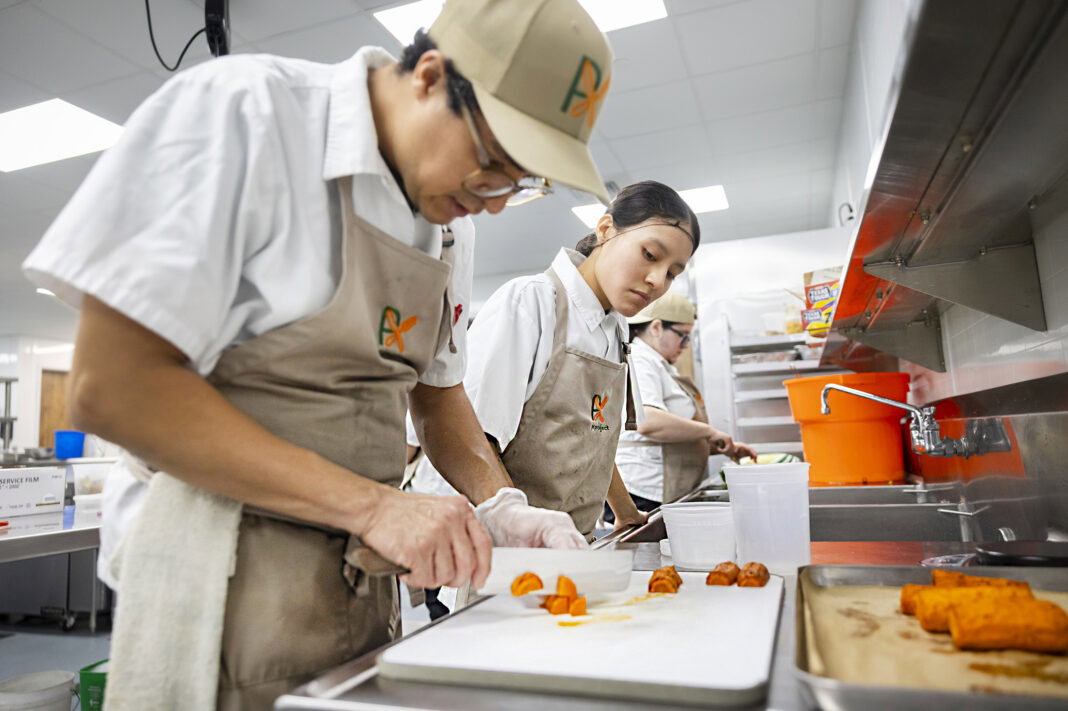
So, instead of building a trade school, PX Project built a working café where students, called fellows, could earn $13 an hour, with potential bonuses up to $450. Over 18 weeks, they learn culinary skills and lessons in self-management and accountability, customer service, professionalism, and networking that will transfer to any industry they enter.
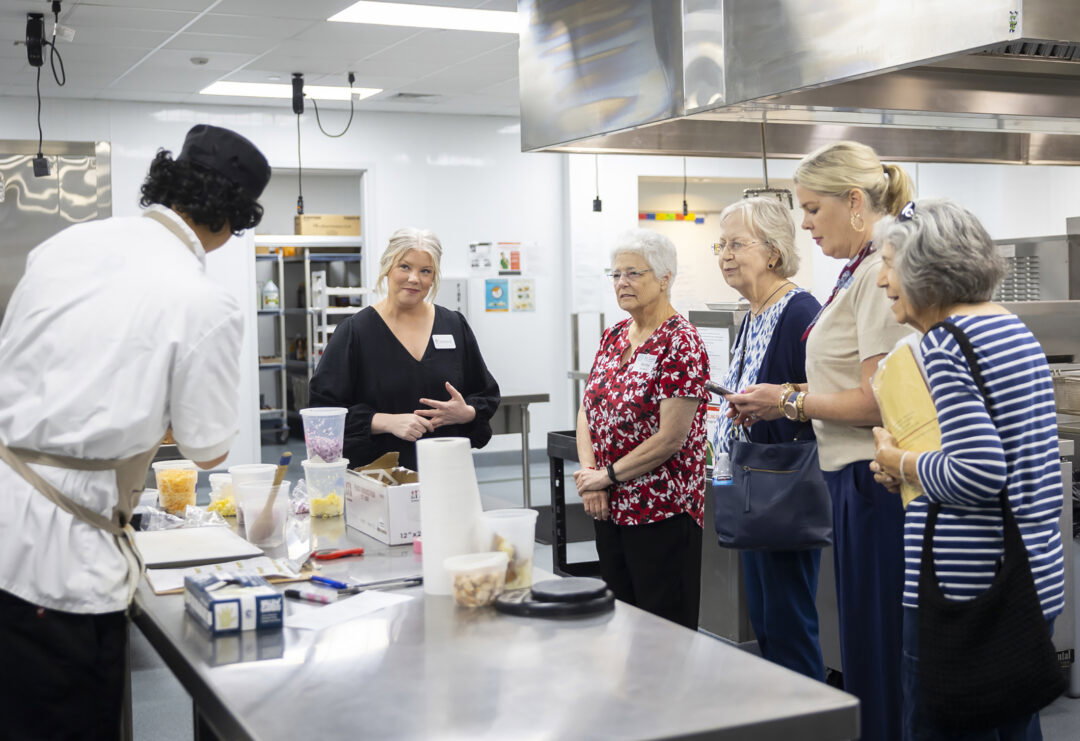
Image: Annie Mulligan
A Different Definition of Success
Although only 40 percent of PX graduates go on to work in the culinary field, Davis considers that a win. “The goal isn’t just getting a job,” she says. “The goal is to feel like they have a sense of direction about where they want to go and how they plan to get there.”
Those who leave the industry still walk away with the same durable skills, and PX also provides a community that might otherwise be absent for those who don’t go to college. “PX was never meant to be a landing spot; it is more of a launching pad to show young people all the possibilities out there,” Davis says. “People think that fellows come to us at a deficit, but I would argue the only deficit is in the lack of opportunities that have been shared with them.”
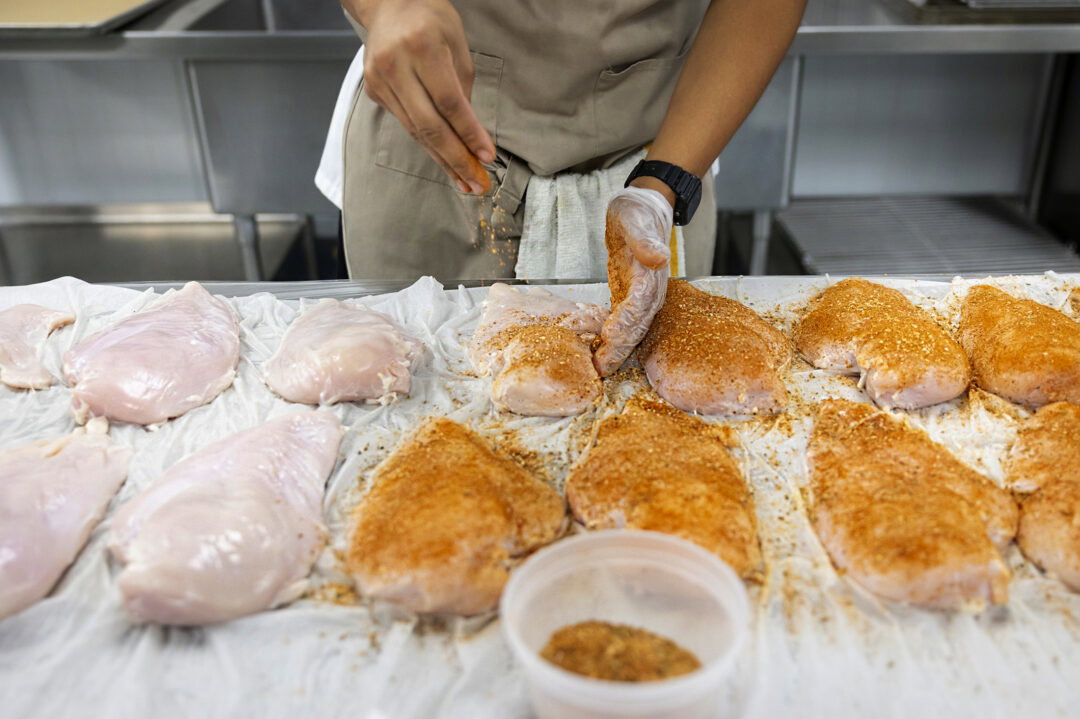
Image: Annie Mulligan
While talking about a recent graduate, Davis became teary. “Even when they are done with PX, they never really leave, which I actually love,” she says. “They always come back to visit us. It’s my favorite thing.”
In the Kitchen
While Davis handles the nonprofit’s operations, executive culinary director Cesar Cano, a former high school English teacher and chef who appeared on Season 9 of MasterChef, teaches 10 to 12 fellows in the kitchen. During the first month of each cohort, they learn knife skills, recipe scaling, and equipment use before running a station on their own.
“It’s really about building, giving them the skill set, and then allowing them to practice that skill set,” Cano says. Fellows work from individual binders and laminated reference sheets posted around the kitchen, with one clear guideline: Exhaust your own resources before asking for help.
That daily practice is evident on the menu, where the café’s best-selling items include Thai chicken salad, fattoush salad, southwest chicken wrap, and bulgogi bowl. “The rest of the menu changes according to sales, seasonality, and the fellows’ ability to execute the dishes,” says Cano.
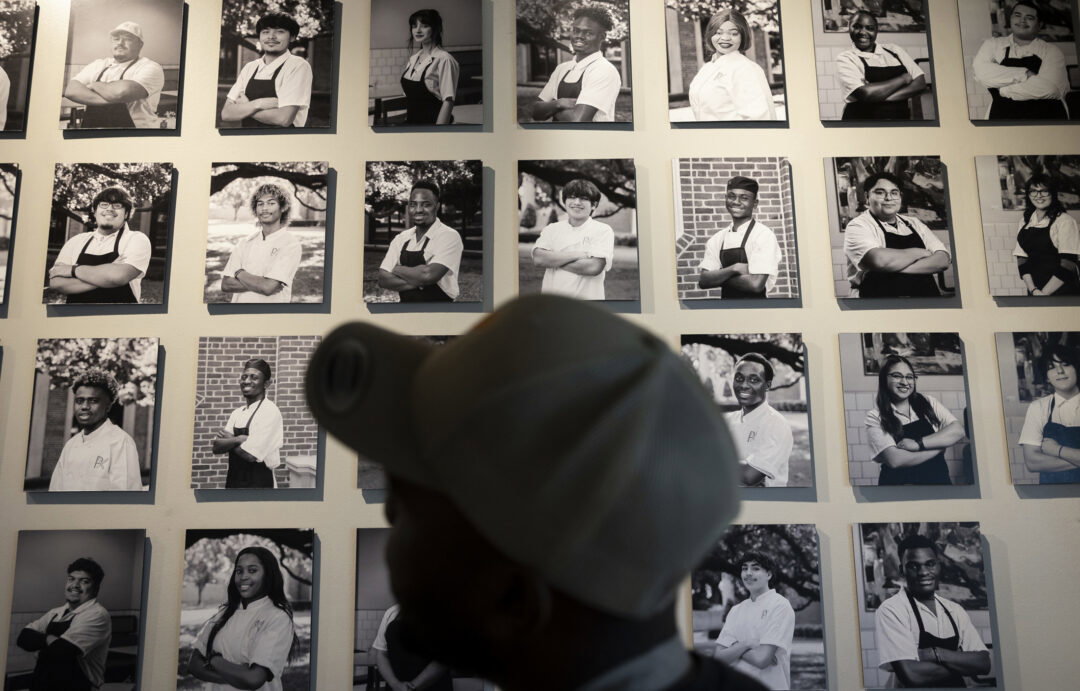
Image: Annie Mulligan
Each group is encouraged to leave their mark on the café, and some do. “The Dr. Pepper cake became part of the menu after two students learned how to make it while working at Maven, and the butter chicken came from a student who would always make it for our pre-shift meal,” he says.
Cano also prepares fellows for the tougher side of the industry— lessons on burnout, long hours, and even substance abuse, drawn from his own years in professional kitchens. Half of each week at PX focuses on personal development, including a weekly session with a licensed therapist and role-playing scenarios that let fellows practice difficult workplace conversations before they happen in the real world.
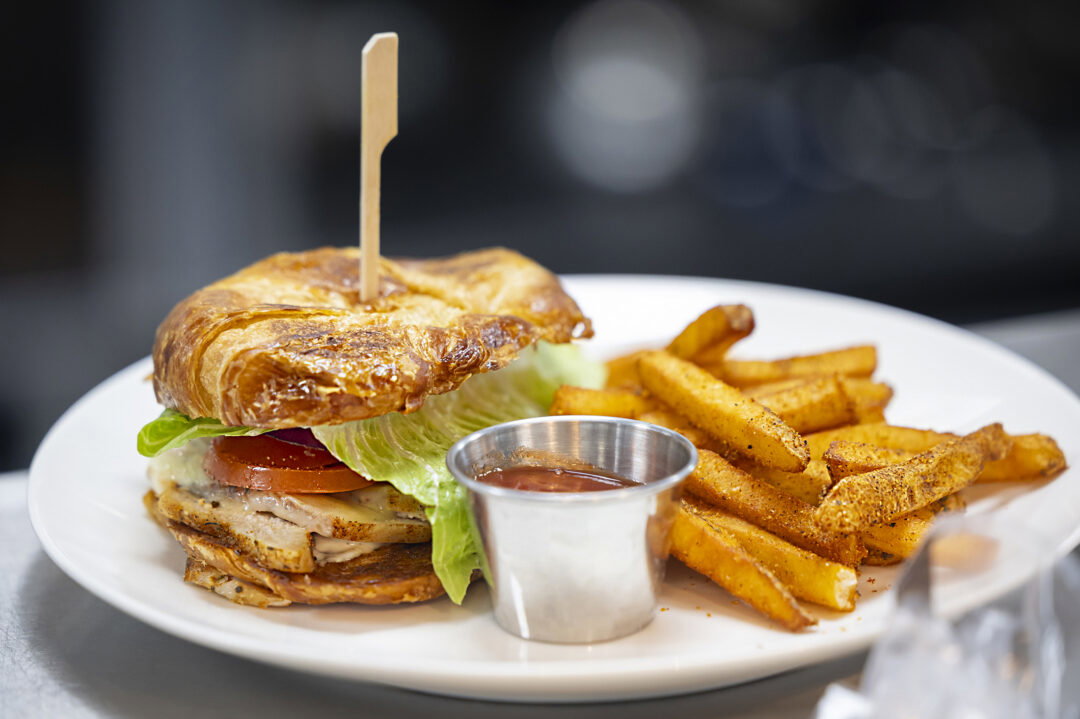
Image: Annie Mulligan
That investment in fellows lasts long after the 18 weeks are up. Cano still gets emotional describing a recent, unexpected Instagram message from former fellow Jacob Diaz. “Life’s full of obstacles and hardships. People like you make life something so great, you’re the type to change a person’s whole world,” he wrote.
Where They Are Now
The PX Project produces many graduates who feel like Diaz and describe it as a program that changed more than just their resumes. When Barbara Leon joined PX, she was working through a difficult period of anxiety and depression while looking for a paycheck that could help take some of the financial pressure off her family. What she found instead was not only technical culinary skills but also a place that taught her to feel safe without the pressure to be perfect. Her mindset shift gave her confidence and helped turn a temporary apprenticeship at Tiny Champions into a full-time job.
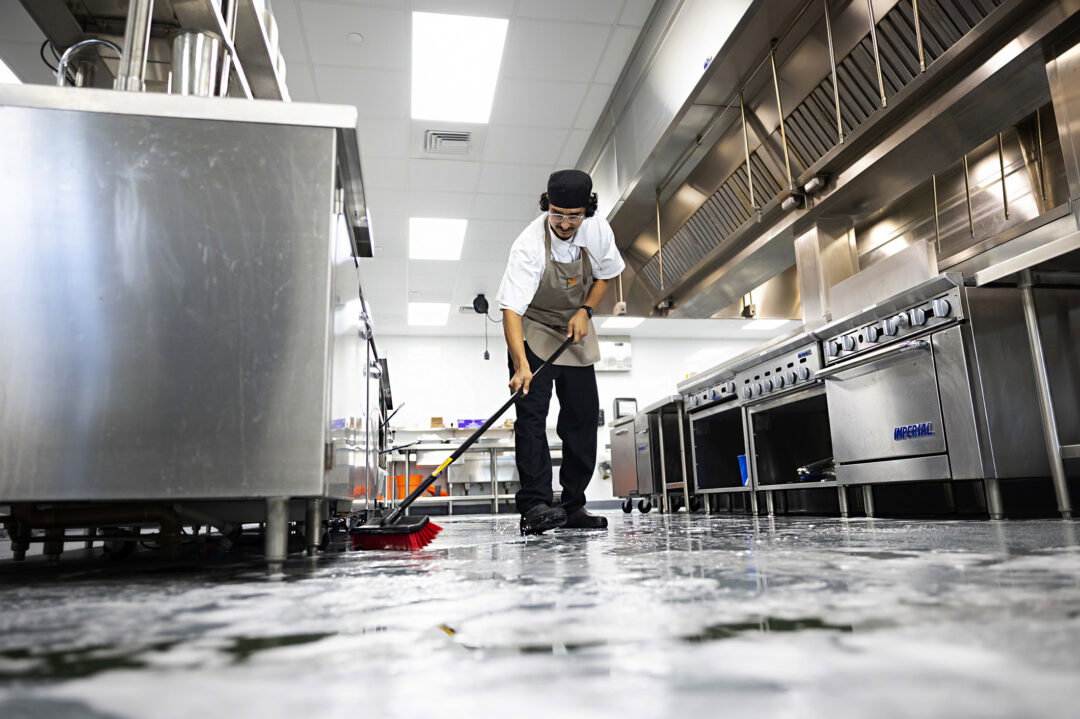
Image: Annie Mulligan
Johnathan Ngo, a college senior who graduated from the course three years ago, now works as a server at a Westchase restaurant. He says the biggest lesson he learned is “that it is okay to fail or mess up and to take those times as learning opportunities rather than setbacks.”
Andrea Rivera stayed close to home, working part-time as a line cook at the PX Café itself. For her, the paycheck didn’t matter as much as the skills she now uses daily, in and out of the kitchen. “I learned so much about myself throughout the 18 weeks, and because of that I was able to grow as a person,” she says. “I can now apply everything to my career now and in the future.”
Houston’s Chefs
Like any nonprofit, the PX Project does not run on good intentions alone. It depends on Houston’s powerhouse chefs showing up with their time and their names. Josh DeLeon of Underground Creamery has become one of the program’s most consistent advocates. Seth Siegel-Gardner of Local Foods Group, James Beard Award winner Chris Shepherd, Justin Yu of Theodore Rex, Emmanuel Chavez of Michelin-starred Tatemo, Abbas Dhanani of Burger Bodega, pastry chef Julia Doran, and Nick Wong of Agnes and Sherman have also lent their talents to the cause.
Wong cooked PX’s very first Family Meal fundraiser, which has become a twice-yearly event. It brings together the city’s culinary community to help cover the roughly $8,000 to $10,000 it costs to send one fellow through the program, an amount Davis compares to a semester of college.
“Giving young folks, many of them first-generation, a leg up in the culinary and professional world is so important,” says Doran, the former co-owner of Tiny Champions. “I love that they used the culinary arts as a gateway to teaching young people life skills. It also helps with future staffing, because hiring people who have gone through the program ensures they have drive and basic skills we can build on.”

Image: Annie Mulligan
What’s Next
While Davis hopes to open a second PX location staffed by alums who came up through the café, Cano’s goal is more immediate. He wants more people to visit the café, bringing in real customers and allowing fellows to practice what they’ve learned. “I know nearly every restaurant owner in Houston says this, but I wish we were busier.”
In a city where so many restaurants compete for diners’ attention, supporting upcoming talent goes a long way. Every dollar spent at a PX fundraiser or on a meal at the café is a small investment in keeping Houston’s food scene stocked with skilled people who want to stay, trained by chefs who care whether they do.
Houston has more than 10,000 places to get a meal, but the PX Project may be the only one where the food is secondary to watching young Houstonians become who they’re going to be.
|
|
|


