Forget the Shushing: How Houston Public Libraries Really Work Today

Libraries are sometimes treated as relics—quiet places with shrinking shelves and fewer visitors as screens take over daily life. But that perception misses what modern libraries actually do.
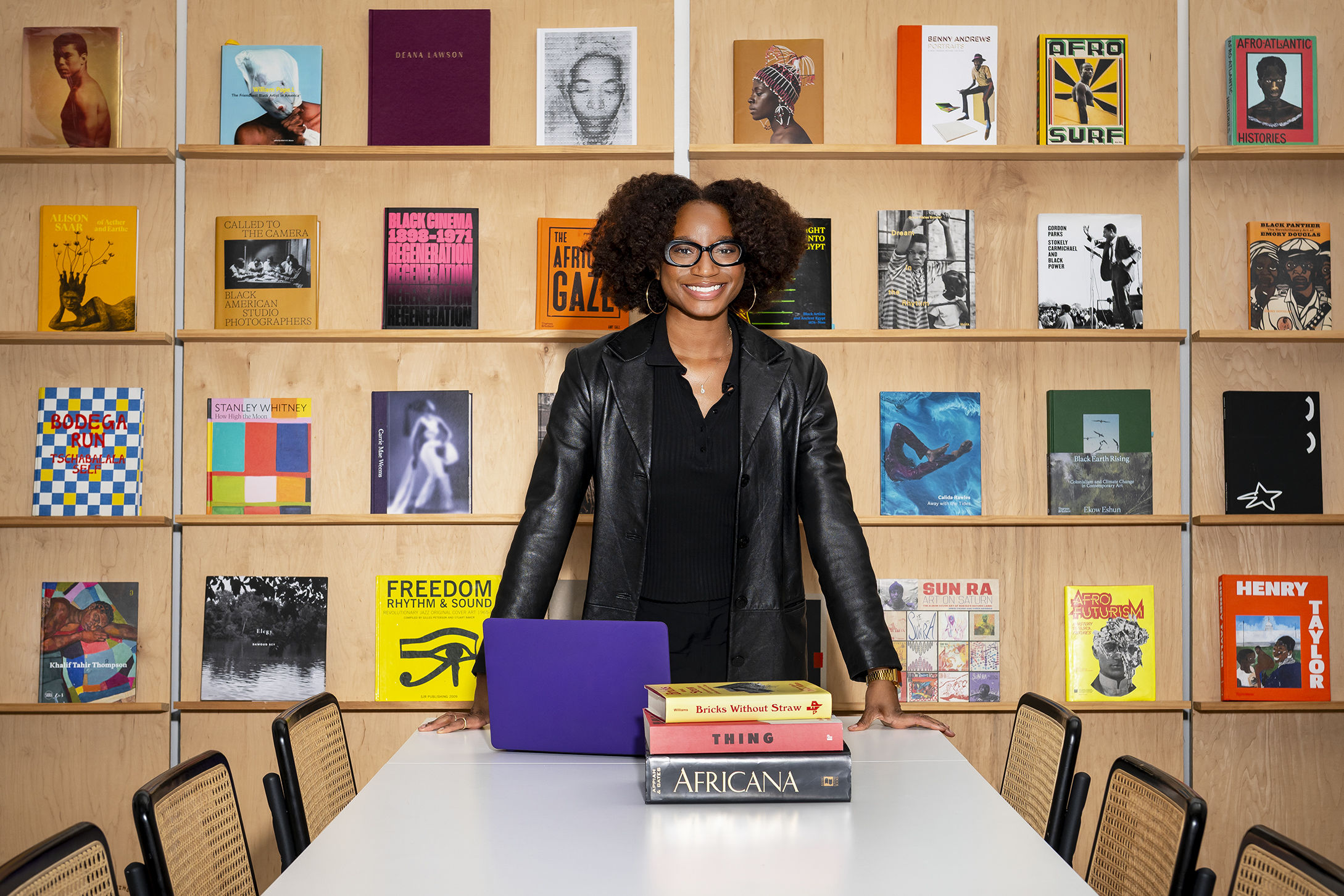
At the Houston Public Library, books are just the beginning. The system, now more than a century old, functions as a civic utility: a place where Houstonians stream movies, learn job skills, research family history, borrow tools, record music, start gardens, solve everyday problems, and ask their most burning questions.
Jennifer Myers, senior manager of Houston’s Central Library, says that the idea of HPL dates back to 1854, when the building housed a “reading room” for local groups, starting with approximately 800 books in circulation. With early funding from philanthropist and industrialist Andrew Carnegie and private citizens, the library quickly became a public institution—remarkably progressive for its time. Unlike many libraries of the era, which were limited to white male members, HPL appointed Julia Bedford Ideson as its first librarian, making her one of the earliest women to hold the role.
Today, the system comprises 38 branches, serves millions of residents, and provides access to approximately 2.8 million physical and digital items.
That growth, however, isn’t just about books. At a time when misinformation runs rampant, libraries have become one of the most radical and useful public resources we have. Houstonia caught up with Myers to discuss the myths, misconceptions, and challenges libraries face today, as well as the fun facts and ways everyday citizens can use them to their advantage.
Fun fact: HPL’s most-requested book of 2025 was a romance and a work of historical fiction.
The Women by Kristin Hannah, a novel following Army nurse Frankie McGrath during the Vietnam War, is not only the most requested book of 2025 at the library, but it’s also the most requested title of all time, Myers says. (The trend mirrors what’s happening nationwide: NPR reported a surge in demand for the same book at libraries across the country).
Reader demand, however, is anything but static. What people check out often shifts with the calendar. October reliably brings a spike in horror titles and spooky reads, particularly children’s books tied to Halloween, while other seasons and holidays tend to spark their own waves of interest.
The library card is a gateway to information and many of the library’s cool resources.
HPL regularly hosts cultural programming centered on music, crafts, and food, as well as seasonal events that draw families year-round. October is one of the busiest months, featuring spooky-themed programming, All Hallows Read events, and “Trick or Read” activities for kids. Across its branches, there’s almost always something happening.
Digitally, a library card provides access to a wide range of free content. Patrons can stream films on Kanopy, listen to critically acclaimed music, explore educational how-to resources, and even watch the full Sesame Street catalog.
Research services are another offering. HPL’s history research centers support genealogy work, African American history, and Houston-area research, including obituary searches and personal records. Much of this can be done online, with staff available to help guide users through the process. The Clayton Library Center for Genealogical Research further expands these offerings, allowing patrons to access specialized materials and request resources from partner institutions in Utah.
HPL is also finding new ways to meet people where they are. Community book collections enable local partners to create mini libraries within apartment complexes and other residential spaces. Meanwhile, TechLink locations and makerspaces let visitors embroider, record music and podcasts, and create videos. Through the Library of Things, users can borrow musical instruments, baking tools, metal detectors, and more.
In short, the Houston Public Library functions as a cultural hub, research center, and creative space—all with one free card.
Despite this, funding is still an issue.
Like most public libraries, funding remains a challenge—especially as the Trump administration threatens the arts with cuts, and as Houston’s population grows and neighborhoods change. That evolution is both an obstacle and an opportunity. Programs are constantly reassessed based on community needs, usage, and feedback. “We’re always asking what’s working and what’s not, which is a challenge and opportunity at the same time,” Myers says. “What we were doing two years ago might not be working anymore.”
There’s no strange request for a librarian. “We expect all sorts of questions,” Myers says, but if she had to choose…
When she started at HPL in 2013, Myers says the biggest shift was seeing the library from the staff side rather than as a visitor. “Someone asked how to repair their car, and I remember thinking, How do I even begin to help with that?” she recalls. The answer turned out to be Chilton manuals—automotive repair guides she hadn’t realized were available online through the library. “You can search by car type and get step-by-step instructions with diagrams. It’s still very popular and heavily used,” she says. “I didn’t even know that kind of resource existed.”
The everyday life of a librarian is not as boring (or as quiet) as you’d think.
“I don’t think customers of HPL realize how busy we are,” Myers says.
On any given day, librarians juggle a steady stream of requests and responsibilities: helping a senior navigate a computer, tracking down a great-grandfather’s obituary, assisting a student with finding sources for research, or answering questions that span every subject imaginable. “We expect it to be unexpected,” Myers adds. “It makes it fun.”
That unpredictability speaks to one of the biggest misconceptions about libraries: that they’re hushed, static spaces frozen in time. In reality, today’s libraries function as active community hubs. At any moment, someone might be attending story time, working on a project, recording music, using public computers, or simply finding a quiet corner to think. There are calm moments, but more often than not, the library hums with activity.
And no, no one’s rushing over to shush you, Myers adds. While you might still spot a librarian with a bun (stereotype), the modern library is designed to be lived in—a “hub of activity” and a safe space for learning, creating, gathering, and connecting.