Your Ultimate Guide to Houston’s Suburbs

Image: Anthony Rathbun
While city living is often romanticized, more Houston residents are choosing the suburbs for a quieter life shaped by strong school districts, green spaces, and a sense of community. This guide offers history, key stats, and fun facts about some of the most popular suburbs in the Houston area.
Atascocita
Founding: Construction began in the 1970s. Population: 93,926.* Nickname: The A. Known For: Golf courses, Atascocita High football, top-rated schools, family-friendly environment. Landmarks/Tourist Spots: Tour 18 Golf Course, Lake Houston. Top Restaurants: Italiano’s, Nara Thai, Tai Li, popular chain restaurants.

Image: hector sanchez
This suburb is named after the historic Atascosito Road, a military highway established by Spanish settlers in the 1700s. Once marked by swampy terrain, the A is now all about R&R, with lakefront communities, trails, and plenty of spots to golf and fish along Lake Houston.
Baytown
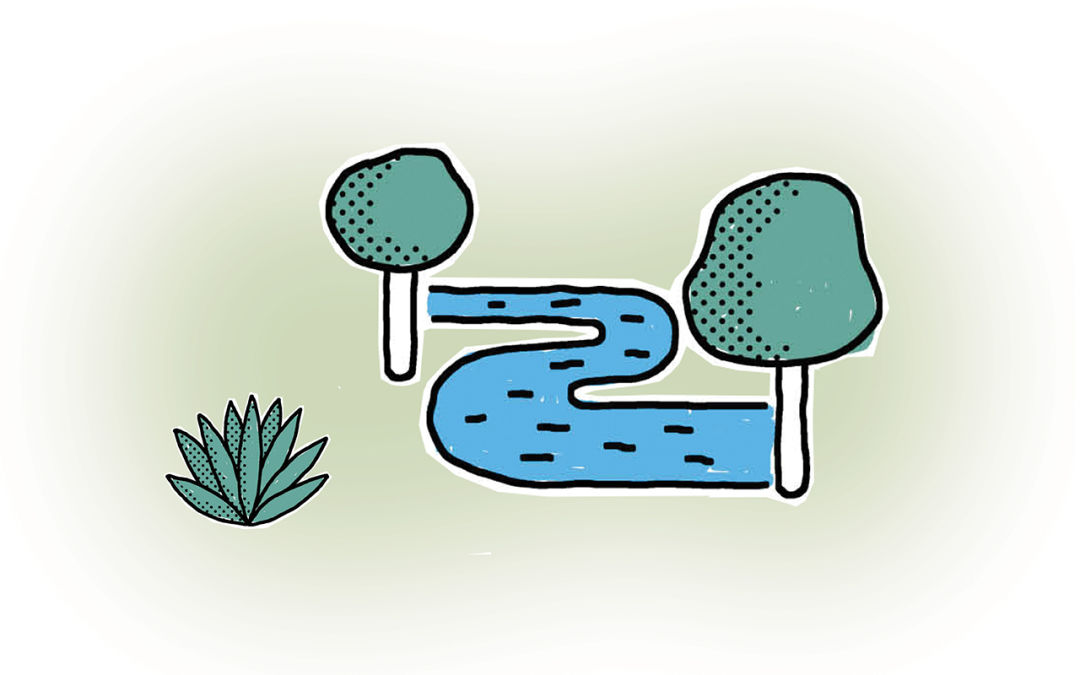
Image: hector sanchez
Founding: 1948. Population: 86,004. Nickname: The Tri-Cities, the Dirty Bay Known For: Energy industry. Landmarks/Tourist Spots: Baytown Nature Center, Lynchburg Ferry (one of the oldest operating ferry services in Texas) Top Restaurants: Cactus Jack’s, the original Iguana Joe’s, Monument Inn, Pipeline Grill, Casa Julia.
This industrial hub officially came together when three neighboring communities—Goose Creek, Pelly, and the original Baytown settlement—merged into one. Now surrounded by smaller suburbs like Mont Belvieu, Baytown is known for its oil refineries, birding, and easy access to the coast and Galveston Bay.
Cypress

Image: hector sanchez
Founding: Mid-1800s. Population: 200,839. Nickname: High schoolers call it Dirty Cyp. Known For: Up-and-coming community Bridgeland, from Howard Hughes. Landmarks/Tourist Spots: Little Cypress Creek Preserve, Houston Premium Outlets, Matzke Park, Boardwalk at Towne Lake. Top Restaurants: Season’s Harvest/The Farmer’s Table, Ambriza, Passerella.
Nestled about 40 minutes from Downtown Houston, this suburban utopia is filled with a sprawling school district, new developments, and fun activities. In 2025, Cypress was even named the nation’s hottest, most “moved-to” zip code in the US.
Humble
Founding: The first settlers, including Alamo rider Joseph Dunman, arrived in the early 1800s. The community got its name in 1886, when Pleasant “Plez” Humble, a local justice of the peace, opened a post office in his home. Population: 16,561. Nickname: Though it’s pronounced with a silent H, out-of-towners still call it the synonym for modest. Known For: Once the largest oil-producing town in Texas, Humble Oil and Refining Company was the predecessor to Exxon Co. USA. Landmarks/Tourist Spots: Mercer Botanic Gardens, Old MacDonald’s Farm. Top Restaurants: Bamboo House, Chez Nous, Humble City Café, Italiano’s, Mi Rancho, Taco Flores, Titas Taco House.

Image: hector sanchez
Humble carries an oil boom legacy but today feels more playful than gritty. Families flock to its gardens and farms, while diners discover a range of culinary delights, from French cuisine to bold Sichuan flavors.
Katy
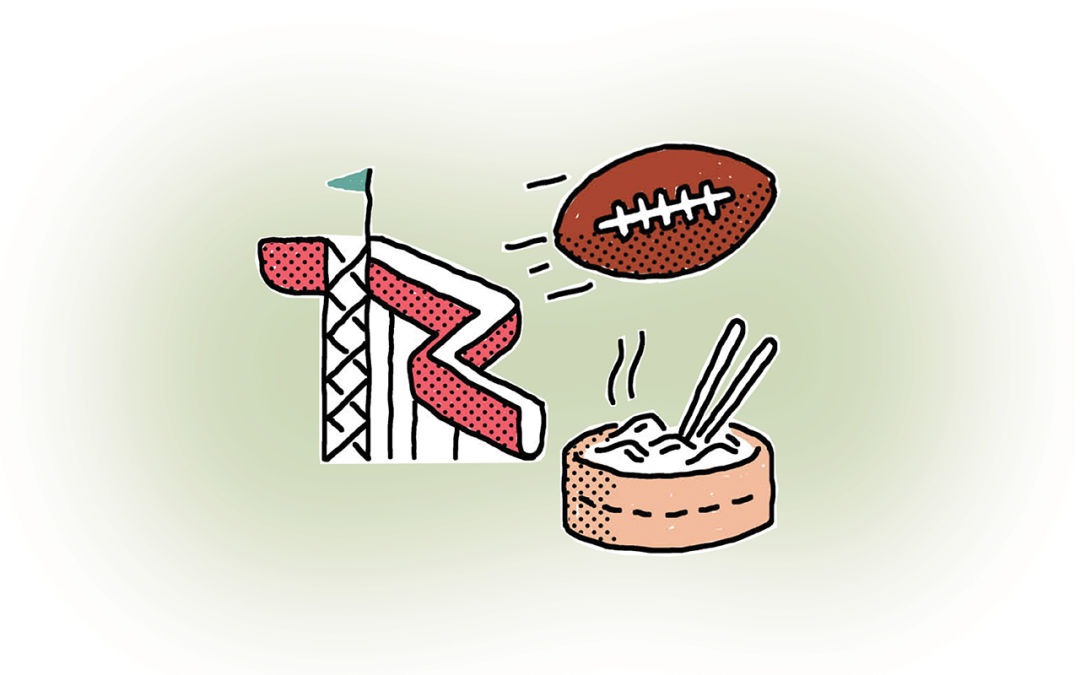
Image: hector sanchez
Founding: Cane Island, the first settlement, started in 1872, but town planning was completed in 1895 by J. O. Thomas, L. C. Luckel, and R. M. Cash. The city of Katy was formally incorporated in 1945. Population: 27,741. Nicknames: Shady Katy; Katy-zuela, due to its large Venezuelan population. Known For: High school football, master-planned communities, (previously) rice farming. Landmarks/Tourist Spots: Katy Asian Town, Katy Mills, Typhoon Texas, LaCenterra. Top Restaurants: Hong Kong Food Street, Dim Sum Box, Pearl & Vine.
What was once just Katy Mills mall has blossomed into a thriving community. With its own waterpark (!!!), extensive shopping, and a growing food scene, Katy has had a major glow-up in the past few years. The growing burb is home to the Katy Tigers, the championship-winning high school football team from Katy High School, which boasts nine state titles.
Missouri City

Image: hector sanchez
Founding: Officially registered in 1894, then incorporated in 1956. Population: 78,582. Nickname: Mo City, The Mo. Known For: Rap stars, being the city between Stafford and Sugar Land. Landmarks/Tourist Spots: Buffalo Run Park, Independence Park, Quail Valley North Park. Top Restaurants: Texas Biergarten, Brandani’s Restaurant and Wine Bar.
Would it be presumptuous to say that hip-hop put tiny Missouri City on the map? Home to local rappers Travis Scott and Z-Ro, Mo City has been a recognizable name in Southern rap. Fans love Z-Ro’s classic hit “Mo City Don,” and Scott mentions his hometown in “Mo City Flexologist.” Even Beyoncé has ties to the suburb (her family reportedly moved from Third Ward to Missouri City).
Pearland
Founding: William Zychlinski, who owned the 2,560 acres here, platted this suburb in 1894; Pearland was officially incorporated in 1959. Population: 129,620. Nickname: Its name, inspired by the pear, sounds enough like a nickname. Known For: Geocaching, Hops and History cemetery tours, vintage and antique shopping, holiday festivals, bird-watching, family-friendliness. Landmarks/Tourist Spots: Pearland Town Center, Pearland GeoTour.
Top Restaurants: The Puddery, Killen’s Barbecue, Magnolia, Grazia.

Image: hector sanchez
Named for an abundance of pear trees in the area, Pearland was recently crowned by Architectural Digest as one of the best places to live in the nation. Marked by a family-centered suburban feel, Pearland is quickly attracting its own food scene, even creating its own Pearland Restaurant Weeks events. Most notably, TikTok foodie Keith Lee praised Pearland for its banana pudding shop, the Puddery, which attracts long lines and has renewed attention to the suburb.
Spring
Founding: 1838. Population: 67,103. Nickname: The Ghost Capital of Texas.
Known For: Being incredibly haunted. Landmarks/Tourist Spots: Old Town Spring, Dosey Doe/The Big Barn. Top Restaurants: Belly of the Beast, Corkscrew Barbecue, Prohibition Texas, Wunsche Bros. Café & Saloon.

Image: hector sanchez
It’s spooky season all year round in Spring, where Old Town Spring—a collection of shops and businesses located where the original suburb sprang up (pun intended)—allegedly needs a Ghostbuster or four. Multiple authors have collected stories from visitors and business owners alike regarding mysterious phenomena that locals decided to attribute to the supernatural. It’s good for tourism bucks. Outside of that, though, it’s home to a Michelin-starred barbecue joint and a James Beard Award winner.
Sugar Land

Image: hector sanchez
Founding: Launched as Oakland Plantation, a sugar plantation, in 1838, Sugar Land underwent a name change in 1853. It was finally incorporated in 1959. Population: 109,851. Nickname: The young kids call it the Dirty Sug. Known For: Minor league baseball team Space Cowboys, Seafood City Supermarket, and Sugar Land 95. Landmarks/Tourist Spots: Constellation Field, Smart Financial Centre, Brazos River Park, First Colony Mall, Sugar Land Heritage Foundation. Top Restaurants: Dough Zone Dumpling House, Vino & Vinyl Supper Club, B. B. Italia, Japaneiro’s, The Baker’s Son.
Houstonia would be remiss if we didn’t take time to remember the Sugar Land 95. During the preparation for Fort Bend ISD’s career and technical education center in 2018, the remains of 94 men and one woman, who were victims of convict leasing, were recovered. In November 2019, a reburial took place to lay those 95 individuals to rest.
West University Place

Image: hector sanchez
Founding: April 1, 1917. Population: 15,149. Nickname: Houston, but real estate agents like to call it the Neighborhood City. Known For: Being the wealthiest suburb in Texas. Landmarks/Tourist Spots: Brazos Bookstore, James Turrell Skyspace, Murder by the Book, Rice Village, Winfield’s Chocolate Bar. Top Restaurants: Pasha, Istanbul Grill, The Rice Box, Little Matt’s, Maximo, Navy Blue, Hungry’s.
Given that West U is located literally smack-dab in the middle of Houston, the borders can sometimes be a little difficult to discern unless you get a parking ticket or criminal mischief citation. Most of the notable things to do “there” fall under Houston zip codes. But it overlaps enough with Rice University/Rice Village to take some credit for shaping the area.
The Woodlands
Founding: October 19, 1974. Population: 116,916. Nickname: Stepfordville.
Known For: Being a great place to raise your kids, provided your kids aren’t a little [looks over shoulder...whispers] “different.” A staycation hot spot. Landmarks/Tourist Spots: The George Mitchell Nature Preserve, The Cynthia Woods Mitchell Pavilion. Top Restaurants: Amrina, Blōōfin, Phat Eatery, Lama Mediterranean Cuisine, Xalisko.

Image: hector sanchez
With the natural beauty of a postcard combined with all the suburban surreality of Ira Levin—maybe a pinch of David Lynch—The Woodlands deserves to be studied by sociologists for all its idiosyncrasies. When driving up I-45 from Houston, one’s first encounter with this rapidly growing town is a megachurch with a credit union in its parking lot, next door to a Lexus dealership, all underneath a billboard about how Montgomery County actually funds its police. And that says (almost) everything.
*Population estimates from the US Census Bureau.