The Best Stargazing Spots Within Driving Distance of Houston
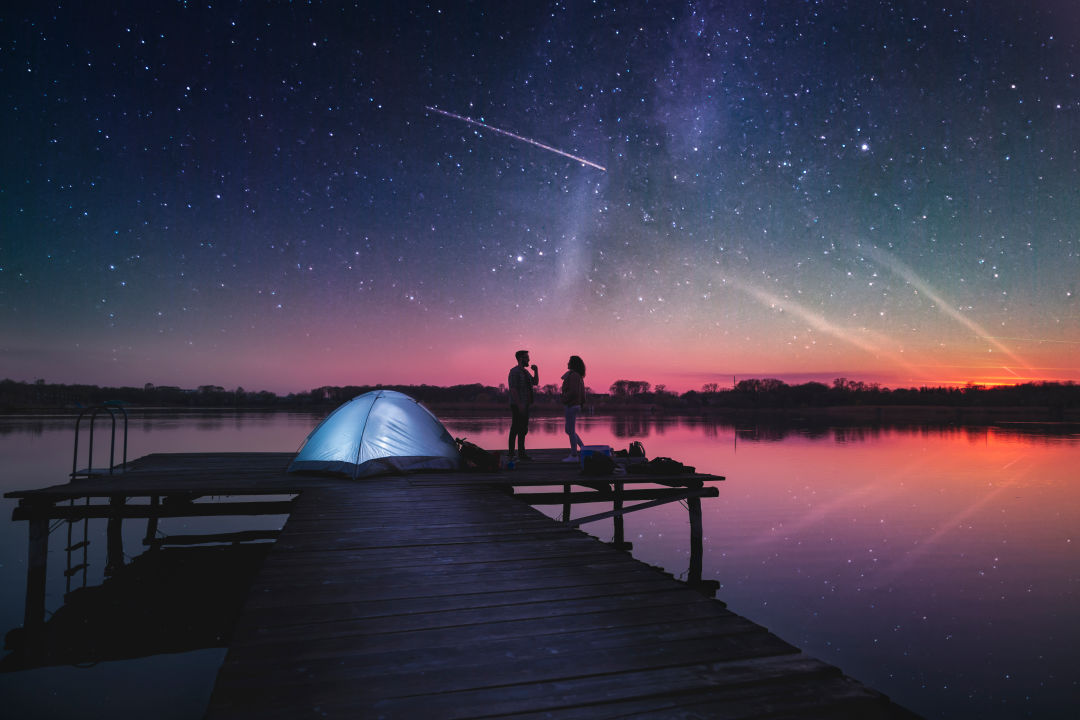
For a place called Space City, Houston’s starscape leaves much to be desired. Like most urban areas, light pollution floods the night sky, dimming hopes of seeing the stars, and the weather doesn’t always cooperate, but amateur astronomers shouldn’t count themselves out.
Texas is home to more than 20 dark sky parks, sanctuaries, and communities that enforce strict limits on artificial light, allowing residents and tourists to see the cosmos. Big Bend Ranch and Big Bend National Park in West Texas are a given—considered one of the darkest regions in the US. Big Bend Ranch in particular is the only site that has received the lowest rating of 1 on the Bortle scale, a nine-level system that measures the darkness of the night sky and the visibility of celestial objects based on local light pollution. (For reference, a rating of 3 is the highest at which one can clearly see the Milky Way with the naked eye.)
Driving 10-plus hours for a starry view can be cumbersome. Fortunately, you don’t have to go that far to see the stars. You will, however, need a car, so pack your telescope, fill up your tank, and head to one of these destinations. Pro Tip: The farther you drive from the city, the better your view of the stars, so if you’re willing to go the distance, we’ve included some worthy options that might require an overnight stay.
Sylvan Beach Park
LA PORTE | 27 MILES | 35 MIN
By day, this 32-acre park is great for a beach day—calm waves, a playground, picnic tables, a fishing pier, a boat ramp, and an air-conditioned pavilion—and by night, a starry sky that opens up over the sand. Roughly 30 miles from the city, the distance keeps the area free of light pollution. The Houston Astronomical Society also sets up here, allowing visitors to get up close with the moon, planets, nebulae, comets, and other wonders.

Image: Sofia Gonzalez
Brazos Bend State Park
NEEDVILLE | 45 MILES | 50 MIN
Less than an hour from Downtown, the city’s light pollution is still slightly visible, but not enough to ruin the viewing experience. Walk the park’s many trails with binoculars or settle by the Brazos River with a telescope until the park closes at 10pm. Make it an all-night affair: Rent a campsite to sleep under the night sky. The park’s on-site George Observatory is equipped with powerful telescopes, constellation laser tours, and experts to aid your interstellar education. Stargazing tickets ($13 per person) must be purchased online in advance, but if overcast skies roll in, the visit still delivers. Guests can view previously captured images, tour the dome, and explore the Milky Way exhibit.
Sam Houston National Forest
NEW WAVERLY | 58 MILES | ~1 HOUR
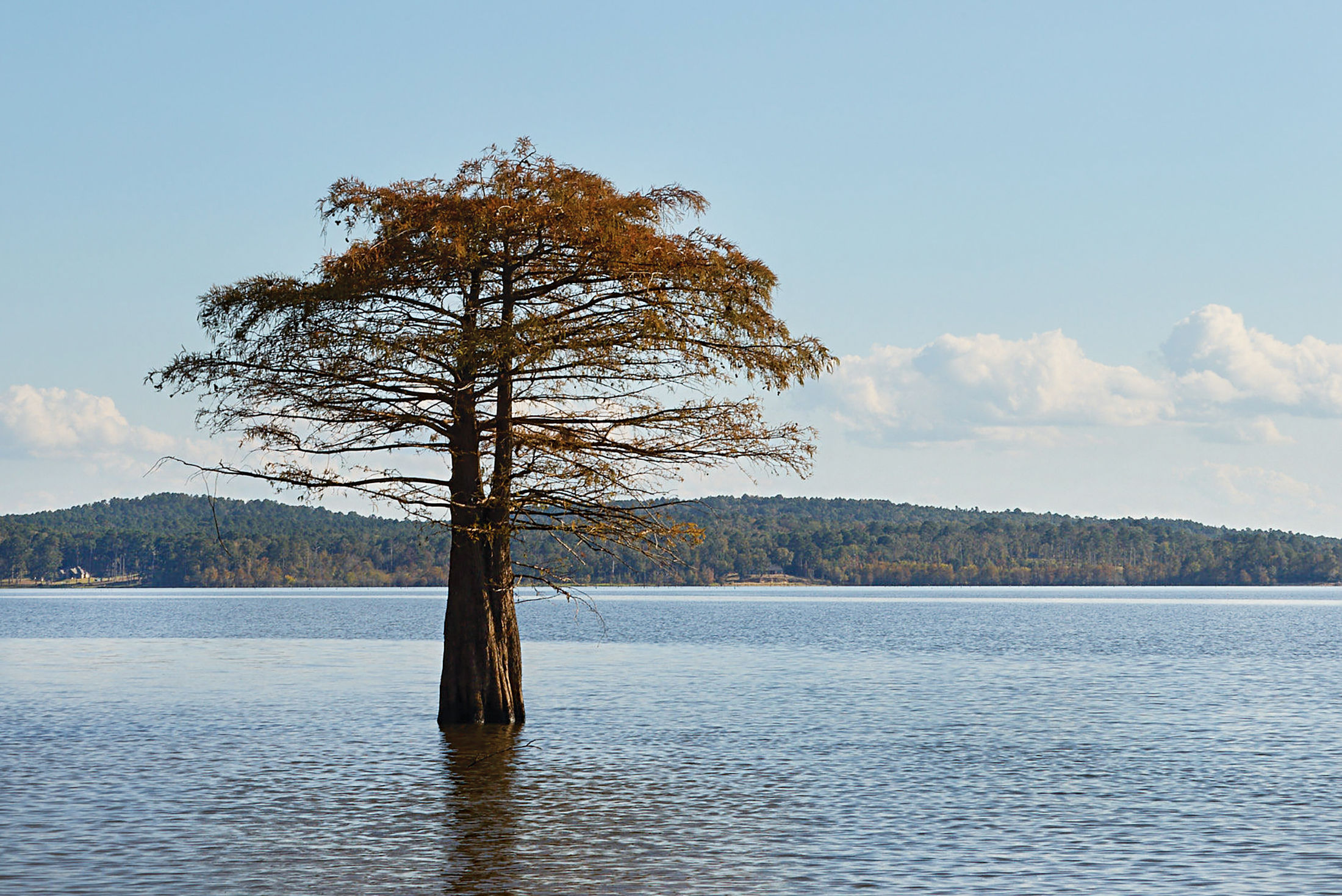
A heavily canopied forest doesn’t seem like the ideal place to see the stars, but the tree canopy blocks Houston’s light pollution, meaning the stars are the only things brightening the night sky. Rent a campsite and catch the sky at its darkest. Spend the daylight hours hiking, biking, and canoeing the forest’s trails and lakes.
Galveston Island State Park
GALVESTON | 60 MILES | 1 HOUR 10 MIN
A city and an island in one, Galveston doesn’t scream dark skies, but the state park on the island’s west end is far enough from the heart of the city to enjoy clear skies and visible constellations at night. Set up on the beach side with binoculars, or stroll along the boardwalks while the stars shine.
Sam Houston State University Observatory
HUNTSVILLE | 78 MILES | 1 HOUR 15 MIN
The university’s observatory hosts public viewing nights a couple of times a month. Admission is free, though reservations are required, and cosmos lovers who bring their own telescopes must obtain prior approval. If the weather’s bad, swap natural skies for the planetarium, which offers free star shows.
GO FURTHER
Dripping Springs
185 MILES | 3 HOURS
Known as the Gateway to the Hill Country, Dripping Springs takes its dark sky designation seriously. The small town passed a smart lighting ordinance in 2011 to keep the sky free of light pollution, earning its title of Texas’s first dark sky community. Catch the stars at Milton Reimers Ranch Park, which features its own observatory, and Dripping Springs Ranch Park, which features monthly star parties.
Enchanted Rock State Natural Area
FREDERICKSBURG | 256 MILES | ~4 HOURS
Cap a day in Hill Country with a visit to one of the best stargazing spots in the state. Enchanted Rock is anchored by a massive pink granite dome that draws hikers and climbers by day and astronomers by night. Moonless nights make for the best view. This park has a Bortle rating of 3, so expect to see the Milky Way with ease.
South Llano River State Park
JUNCTION | 316 MILES | 4 HOURS 45 MIN
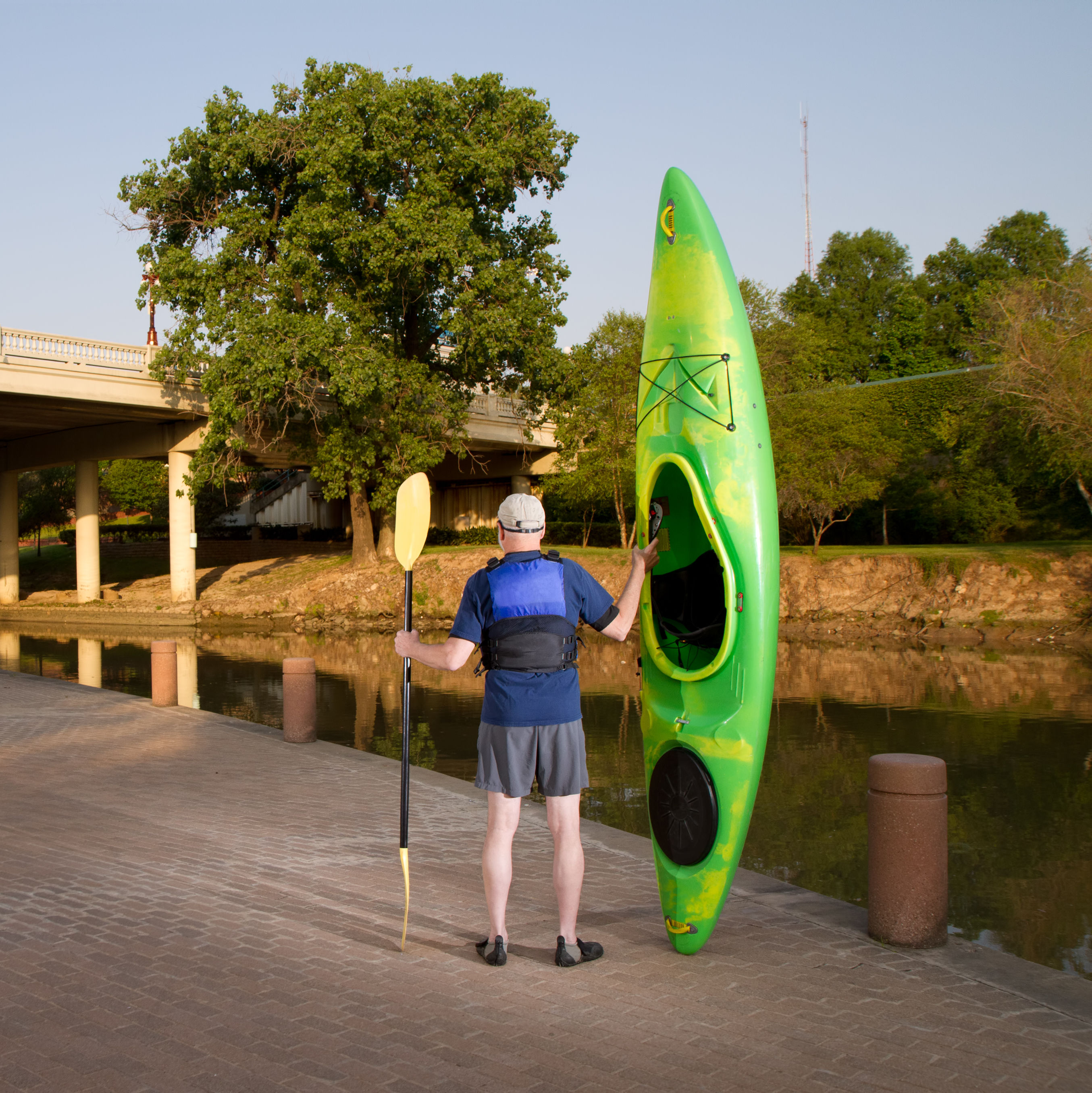
Beyond kayaking, fishing, and spotting wild turkeys, South Llano River State Park offers stargazing opportunities, including guided night hikes. Stay out later than 10pm, and you must pay a night activity fee. Check the website for its many stargazing resources, and consider renting one of the park’s GPS units to keep you on track.
Devils River State Natural Area
DEL RIO | 409 MILES | 6 HOURS 30 MIN
Devils River, the first Dark Sky Sanctuary in Texas and the sixth in the world, is dark enough to reveal one of the most detailed views of the Milky Way without a telescope. Make it a full trip—float the river and bird by day, then watch the sky take over.
Copper Breaks State Park
QUANAH | 460 MILES | 6 HOURS 45 MIN
Miles from the Texas-Oklahoma border, Copper Breaks is an International Dark Sky Park with a 60-acre lake, an official Longhorn herd, and a Bortle rating of 2, resulting in one of the best views. Swim during the day; stargaze from the shore at night.

Image: Ethan Tweedie Photography
McDonald Observatory
FORT DAVIS | 609 MILES | 9 HOURS 15 MIN
Two hours north of Big Bend in Fort Davis, the McDonald Observatory is the crown jewel of Texas stargazing. Part of the University of Texas astronomy department, the facility houses four high-powered telescopes. It hosts daily tours, weekly star parties, and special viewing nights with some of the world's largest telescopes. If you’re going to make the drive, this is the reason.
Former editor Sofia Gonzalez contributed to this article.