
He Helped Make Houston a Literary City. Now, He's Retiring.
Inprint, among the major epicenters of Houston’s literary scene, makes its home inside a historic Montrose house perched on the edge of the Menil Collection. There’s a pleasant Little Free Library out front, overflowing with eclectic content: older programming language manuals, stalwarts of the English literature canon, advance review copies of newer novels, and well-loved self-help guides.
Inside, outgoing executive director and poet Rich Levy has made this his home away from home for the past 31 years, raising 20-year-old orchids on the top floor and surrounding himself with floor-to-ceiling shelves bursting with books by the literary organization’s guests—a roster that’s included Salman Rushdie, George Saunders, and Zadie Smith; Graduates and professors of University of Houston’s lauded Creative Writing Program occupy clearly labeled shelves of their own.
But as of June 30, Levy has officially stepped down to pursue the retired life. A permanent move to Paris is planned for later this year—an appropriately bibliophilic capper to a career steeped in the written word. “[Houston’s] now considered a literary city,” Levy says. “And it was never that when I first came. People would have thought that was a joke.”
The success has been a concerted effort—a collaborative achievement thanks to Inprint; UH’s Creative Writing Program; local groups like El Librotraficante, a protest movement that caravaned banned books from Houston to Arizona; and other hardworking people in the community, such as Tony Diaz of the Latin American literary nonprofit Nuestra Palabra.

Image: CJ Martin
Levy first moved to the city in 1982, after completing his MFA with the prestigious Iowa Writers’ Workshop. Houston was in the midst of an oil boom, and qualified Midwesterners were being recruited to teach in Houston Independent School District to keep up with the growth. Levy landed at James Madison High School, located in the South Side’s Pamela Heights neighborhood. He lasted two weeks.
“I didn’t want to be part of the whole system,” he says. The football and basketball coaches were placed in charge of discipline. “They were paddling the students. They were the biggest men at the school, and the paddles had holes in them, so they would be aerodynamic…The whole thing was evil, I thought.”
After a stint at an accounting firm, he and his then-wife moved back to Iowa City so she could complete her law degree. When her post-graduation job search yielded few opportunities, the couple returned to Houston. Levy took the director of communications position at UH, where he worked for nearly nine years before moving back to the Midwest. The family bounced back to Houston in 1995 for the final time.
While attending a reading at Brazos Bookstore, an unemployed Levy ran into Bob Phillips, his former coworker who was then head of the university’s creative writing program. Phillips informed Levy that Inprint was searching for a new director. Founded in 1983 in partnership with the UH Creative Writing Program, the organization continues to provide material support and opportunities for students. This included stipends, scholarships, and awards, as well as free and low-cost access to globally recognized authors, courtesy of then-professor Donald Barthelme, who called up a few friends to visit. The board ran operations from the beginning until 1991, when the previous executive director, Nan Morris, took over.
Levy applied, and three board members approved his appointment to what would be the organization’s only full-time position. He would go on to become the longest-serving executive director in the nonprofit’s history.

Image: Marilyn Jones
He soon inherited the Margarett Root Brown Reading Series—a crowning jewel of the organization’s programming, famous for charging only a $5 admission to lectures, readings, and Q&As by some of the literary world’s most decorated figures (students and seniors get in for free). Rushdie and Saunders—both current members of Inprint’s National Advisory Council—have spoken there, as have Jhumpa Lahiri, Ta-Nehisi Coates, Margaret Atwood, and other household names. This past season, Booker Prize winner Yann Martel and Orange Prize-winning MacArthur Fellow Chimamanda Ngozi Adichie appeared on the schedule.
Levy admits that some saw dollar signs where he saw inclusivity, but maintaining the series’ $5 price tag has always been a priority. “There were people on our board who wanted us to charge more, because it just seemed absurd,” he says. But raising prices meant that Inprint would be creating an “exclusive event” that many people couldn’t afford. They stood their ground, and publishers loved it, he says. Cheaper tickets allow audience members to spend more on the books for sale in the lobby, and world-class art is more accessible to a wider swath of Houstonians—one of Levy’s (and Inprint’s) fundamental values.
Deputy director Krupa Parikh, who joined Inprint as a part-timer 28 years ago, was also instrumental in securing the reading series’ affordability, backing him up whenever he needed to speak up in favor of the $5 price. She also worked closely with Levy to develop and expand the organization’s programming. Inprint now offers over 60 workshops annually, many of which are open to the public, while others focus on specific groups such as seniors or the incarcerated. In addition, Parikh helped build out a more robust lineup for the organization’s kid-focused Cool Brains! series, which she took over from her predecessor, Marilyn Jones. At these events, beloved children’s and young adult authors, including New York Times bestseller Renée Watson and Newberry Honoree Christina Soontornvat, have read and discussed their latest works with local children and tweens, allowing them to discover new books and share a love of their favorites.
“It’s such a joyful series,” Parikh says. “Kids at that middle grade stage—if they get excited about books, if they start reading, then there are studies that show that they will become lifelong readers. That is such a pivotal age for kids, when they’re starting to become independent. They’re developing their own ideas.”

Image: Courtesy of Inprint
Still, it hasn’t been easy to convince the literary world to acknowledge Houston as a creative powerhouse. For years, they traveled to New York to meet directly with publishers and convince them to send their authors to Space City for talks and signings. Levy and his team often encountered prevailing misconceptions and stereotypes about Texas as a cultural wasteland, which often occluded progress. They continued anyway. “They kept championing Houston as a place that writers should come, should read, should share their work,” Parikh says. “It is such a gift that people embrace us now.”
The Poetry Buskers program, another signature offering established during Levy’s tenure, takes the literary into the local community. Mostly consisting of paid graduate students in the UH creative writing program, participants take typewriters to places such as the Menil, Hermann Park, and Hope Farms, where they create poetry on demand in English or Spanish. Inspired by the buskers he saw on the streets of New York and London, Levy took the idea from concept to execution when Discovery Green opened to the public in 2008. “Anybody can busk,” he says. “You don’t have to be a poet.”
To Inprint board member and outgoing chair Mary S Dawson, Levy is a groundbreaking figure in promoting literature and literacy in the city. “He really should be credited for making Houston such a literary scene in the country and in the world,” says Dawson, who has been part of the organization for a decade. “Not only by bringing in incredible writers, Pulitzer Prize winners, National Book Award winners, Nobel Prize winners, but also for inspiring and supporting upcoming writers in Houston, who then have decided to make Houston home.”

Image: CJ Martin
His accomplishments haven’t all been grandiose, but they have been “heroic about engaging the Houston literary community,” says Robin Davidson, who served as Houston’s Poet Laureate between 2015 and 2017. “He’s been able to pack these large auditorium venues all over Downtown and elsewhere with impassioned fans.”
She first met Levy when Writers in the Schools was based across the street from Inprint. They bonded quickly as friends, and she fondly remembers him incorporating her advice on which writers would be best to teach workshops or speak at events. He provided free event tickets for her students when she taught at UH-Downtown, and when Davidson was creating an anthology of local talent during her time as Poet Laureate, Levy served on her editorial team, choosing the final pieces alongside celebrated local writers like Texas Poet Laureate Lupe Mendez and fellow former Houston Poet Laureate Deborah D.E.E.P Mouton.
Colleagues consistently note how painstakingly Levy cared for writers, ensuring they felt welcome and appreciated. Poet and Inprint’s National Advisory Councilmember Naomi Shihab Nye says writers felt safe in Levy’s hands. “Everything Rich organized/coordinated felt inspired, necessary, and meaningful,” she said in a written statement provided by Inprint.

Image: CJ Martin
Now, thanks to Levy, Inprint will continue as “an organization that will be self-sustaining because of the people that he has gathered around him and those he leaves the organization to,” Davidson says. Though she is retired, she is eager to continue teaching workshops, promoting events, and doing whatever else the nonprofit asks of her in the years to come. “I think that all of us who have loved Rich and who’ve loved the organization…will want to do that.”
Inprint will not be remade or changed into something bold and new in the wake of Levy’s departure. There’s no real need to. Indeed, “legacy is a very active word,” incoming executive director Giuseppe Taurino says. “I think sometimes maybe we misconstrue it as something that’s happened already.” But this progress is ongoing, and there’s no need to repair a foundation that hasn’t cracked. Both Taurino and Parikh feel Levy has left them with sufficient support to continue expanding Inprint’s reach and to advocate for the city as a frontier for more than just space exploration and medicine.


The 2026 Hit List
The Best New Houston Restaurants That Opened in 2026 (So Far)

Vinyl Destination
Houston’s DJs Are Turning Their Record Collections Into a Vinyl Revival
All eyes on houston
Houston Just Had Its Biggest Night Yet at the James Beard Awards

On The Town
Houston Summer Arts Guide


Red, White, and Boom
How to Celebrate the 4th of July in Houston


Vinyl Destination
Houston’s DJs Are Turning Their Record Collections Into a Vinyl Revival

Red, White, and Boom
How to Celebrate the 4th of July in Houston


Only in Houston
The Weirdest News in Houston This June


Yes Ma’am, No Ma’am
The Best—and Worst—Things About Houston’s Hot Summers
Vinyl Destination
Houston’s DJs Are Turning Their Record Collections Into a Vinyl Revival

Reality Reckoning
What America’s Next Top Model Taught Me—After I Made It Onto the Show

Cowboy Couture
Inside Houston’s Rodeo-Fueled Cowboy Boot Boom


Season’s Readings
Houston Bookstores’ Best Holiday Book Recommendations

Vinyl Destination
Houston’s DJs Are Turning Their Record Collections Into a Vinyl Revival
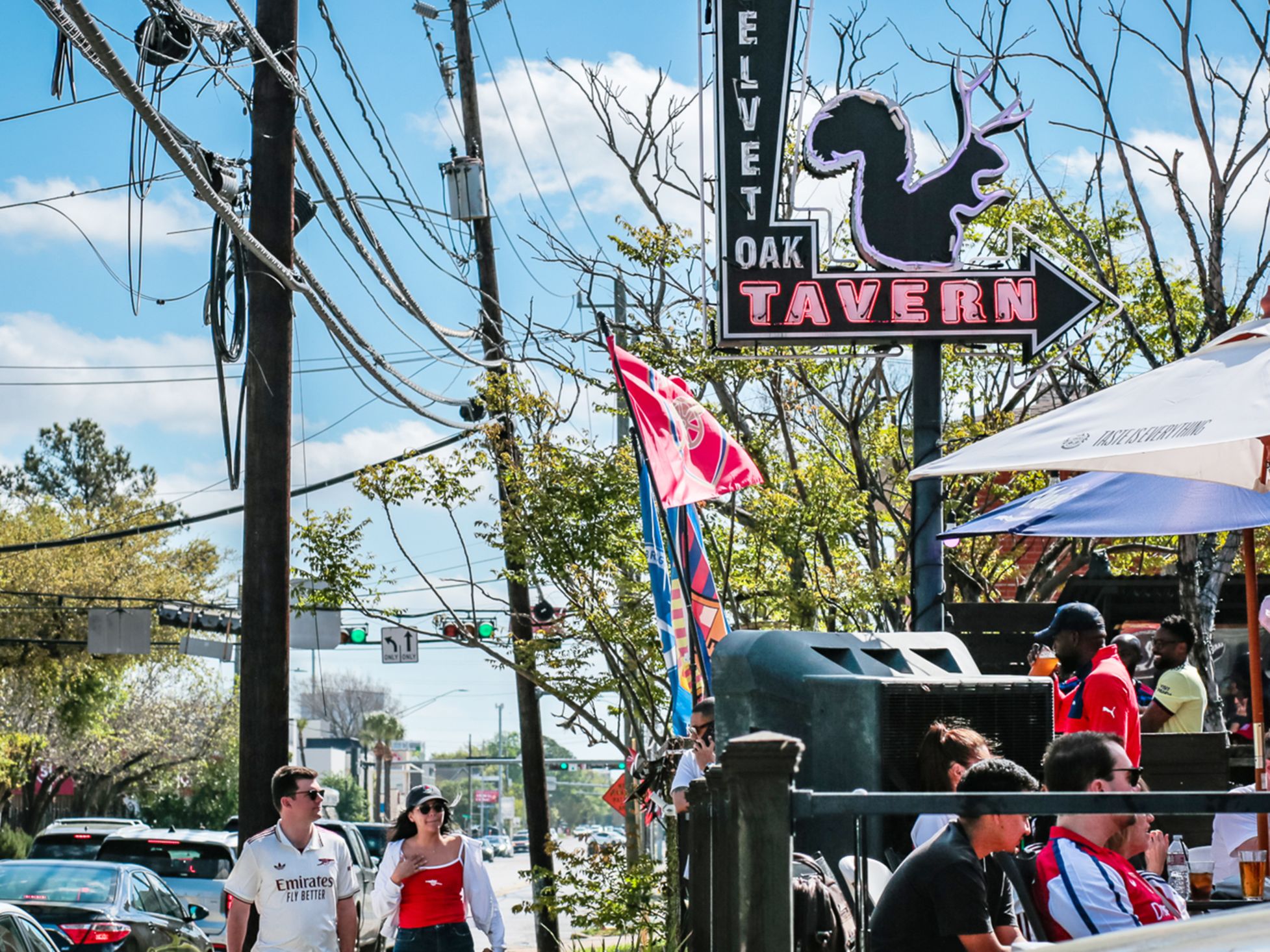
World Cup Fever
Where to Watch World Cup Matches in Houston


On the Dance Floor
Where to Get Your Step On: Houston’s Best Dance Halls and Honky Tonks

Red, White, and Boom
How to Celebrate the 4th of July in Houston
Peak Refreshment
The Lesser-Known Colorado Town Worth the Sip
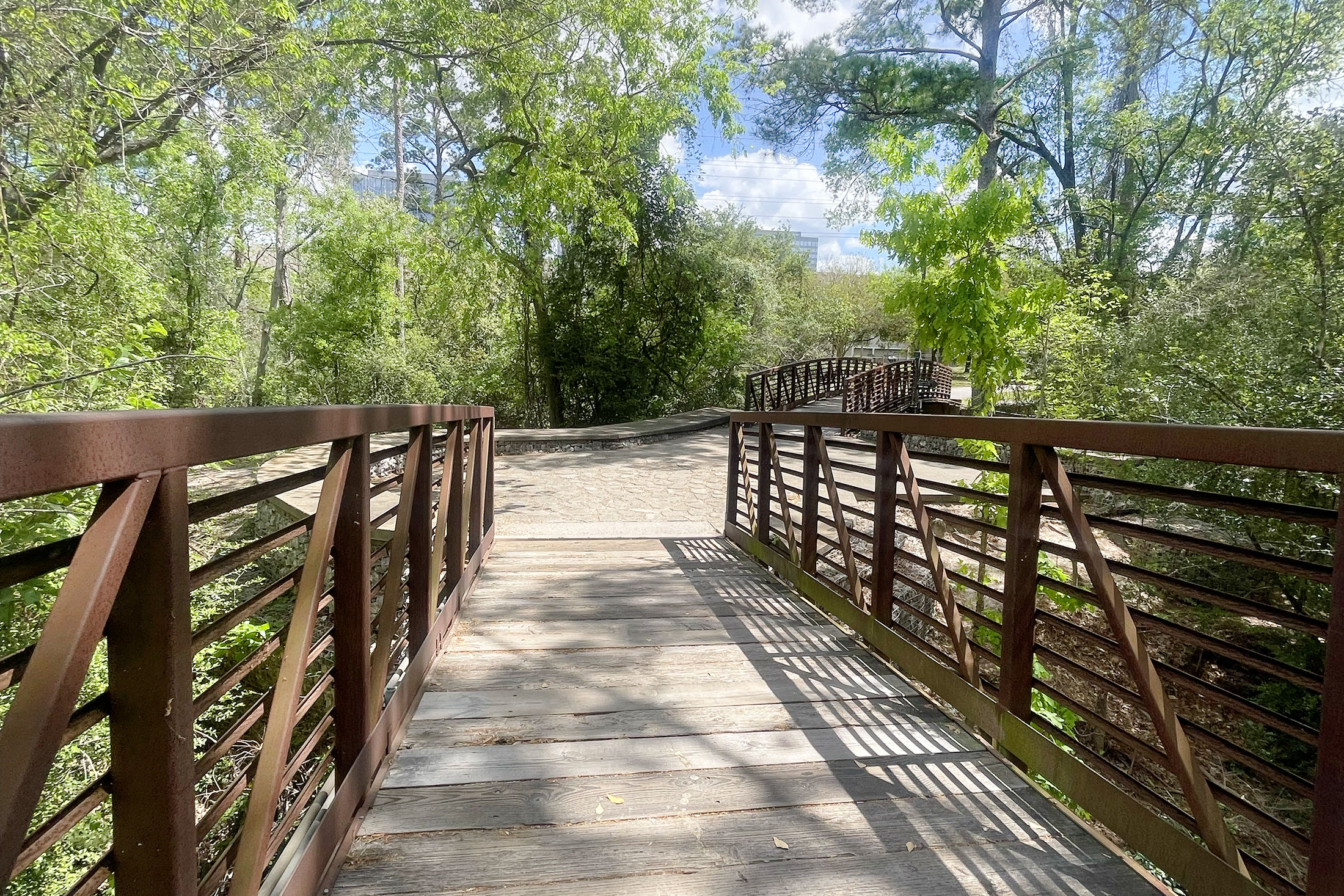
Green Spaces
The Women Behind Houston’s Most Beloved Parks


Science vs. Social Media
Should Houstonians Worry About Hantavirus and Ebola? Science Says No.

Somewhere That’s Green
How a Houston Gardener Became One of the Internet’s Most Calming Voices

Oral History
The Houston School That Built Texas Dentistry

Best of the City
Houston’s Top Dentists 2026


Somewhere That’s Green


