
Houston Folk Singer Sarah Golden Is Not Getting Any Quieter
Despite its pageantry and summertime ubiquity, “The Star-Spangled Banner” can still surprise. The song often feels forceful, teetering on the edge of bombast, especially when delivered by a singer who leans into sheer vocal power. But for an artist like Sarah Golden, our country’s anthem—with its vivid images of rockets and bombs—conveys a vulnerability, tender humanity, and hope.
At the Astros’ Pride Night on June 3, the folk singer sang the national anthem. Her voice–– textured and warm, with a touch of sadness––captivated the crowd. “I’m honored by it,” says Golden. Being asked to sing was a privilege, especially that night. “As a queer Houstonian, that is an ideal time to go represent my community, who shows up en masse for America’s favorite pastime,” she says. “I know that these days, it can be kind of a weird thing to do, too, as a gender-nonconforming woman and member of the LGBTQ+ community whose rights are currently in the process of being dismantled.”
The Voice alum’s determination to acknowledge truths that can feel at odds with one another is part of what makes Golden so compelling. She likens her music to a “diary,” singing what’s on her mind, whether she recounts a personal experience or channels empathy for someone else’s struggle. In “A House Divided,” the upcoming single off her anticipated sophomore album Live Wire, Golden warns of impending doom like a modern Cassandra: “We must learn to live together as brothers, or we’ll perish together as fools,” she sings, wielding her rich alto like a battle cry. In the song’s second verse, Golden gets specific, pointing to “broken school systems and for-profit prisons,” before adding, “And that’s all by design.” The lines exemplify her tendency to push past initial observations to reveal even more damning roots.
Another track, “Who is Gonna Rebuild LA,” offers the same brand of unblinking confrontation. In the song––a mournful waltz punctuated by pedal steel––Golden exposes the hypocrisy of a nation that economically depends on immigrant labor but demonizes migrant people.

Image: Frank Golden
Golden’s shift to deeply personal and overtly political songwriting unfurled over the last decade and a half, picking up real speed in recent years after she grew alarmed by friends and acquaintances who repeated misinformation about issues including gay marriage, immigration, and abortion access. The exchanges left Golden feeling like maybe songs could convey facts more effectively than just talking. “I thought, if I could put some of these things to music, then maybe they would resonate with folks more,” she says. “I started writing accordingly.”
Golden grew up singing in the historic Houston Heights. Her mother majored in opera and taught voice and choir; her brother, Willy T, loved music, too, and became an in-demand multi-instrumentalist. Golden was embraced by the city’s established folk songwriters early in her career, long after she first felt different. “Even as a young child with long hair, forced to wear girls’ clothes, I looked like a football player, out of place,” Golden says with a laugh. “I think everybody probably saw me coming a mile away.”
At just 18, an already out-and-proud Golden performed at the Art Car Parade. An older woman who had been watching her set approached her in tears, confiding that she still was not out. “She said, ‘Seeing you out here, young and so in your face about it…I love that so much. It’s powerful to see you out here, just being yourself,” Golden says, her own voice cracking as she recounts the story.

Image: Stacey Hodge
The encounter helped Golden make up her mind to remain true to herself. Her resolve shaped her next breakthrough as a contestant on season two of The Voice in 2012. She made it to the seventh episode before heading home. Her storyline played up the gulf between her winsome, feminine voice and gender-nonconforming appearance, resulting in “gobs of unsolicited feedback from people all over the world.” Alarmed by the scrutiny, she privatized her social media accounts. “Being a public-facing person and contending with everyone’s opinions had its effects on me,” she says.
At the same time, Golden also heard from viewers who appreciated her authenticity. She still thinks about one note that moved her—a singer in a wheelchair had been repeatedly told that despite their talent, no band would have a front person in a wheelchair. “I hadn’t even thought [of] that before,” Golden says. “That was eye-opening.” The exchange broadened her awareness and deepened her empathy.
After The Voice aired, major record labels lined up to sign Golden—with a catch. Contracts came with the caveat that she’d wear dresses, never cut her hair, and never talk about her personal life. “As I got those offers, I thought about these people,” she says—the woman at the Art Car Parade, The Voice viewers who felt emboldened by Golden’s refusal to apologize for who she was. Thinking of them made turning down the offers easy, but the experience left Golden jaded.
“I felt like nobody cares what comes out; they only care about the package––and I don’t have said package,” Golden says. So, she walked away. Golden took a corporate job and didn’t perform publicly for almost a decade. As the political landscape grew increasingly divided, Golden continued discussing gay rights, immigration, abortion access, and education with family and friends. For her, music reemerged not as an escape from reality, but as a tool for diving in. “It feels like it’s incumbent upon me to do this. I’m not reinventing the wheel––I’m not saying things people don’t already know, but then, there are people who really don’t know what’s going on,” Golden says.
Her embrace of topical songwriting has resulted in some of the most meaningful accolades of her career. Just this May, she was named one of six winners in the prestigious Grassy Hill New Folk Competition for Emerging Songwriters at the Kerrville Folk Festival, an honor she calls “maybe as close to a Grammy as I’m going to get.” She shares the title with one other Houston artist, songwriter Hudson Mueller. “I love every opportunity I am afforded to just go sit and listen to some of Houston’s finest. I consider Hudson one of those,” she says, pointing to singer-songwriter Kate Waters and Kam Franklin as other local musicians enriching and redefining folk music.
Now, as both an adult and an artist, Golden is who she’s always wanted to be. “I have never felt more that this is what I’m supposed to be doing,” she says.

Image: Courtesy of Sarah Golden
Instead of the long hair and dresses the industry pressed her to wear, she dons a crew cut, crisp pants, and button-down shirts, sometimes accented with a vest or tie. In addition to preparing for the fall release of Live Wire, she’s performing more than ever. A packed show in early July at the Mucky Duck revealed an artist in top form, captivating an audience with witty stage banter, tasteful acoustic guitar playing, dynamic vocals, and devastating lyrics. Golden’s delivery is mesmerizing––and sometimes unsettling. “The Ringer,” an original song of hers that has become a fan favorite, may epitomize Golden’s ability to comfort, delight, and disturb, often all at once. She wrote the tune around a bird she heard singing outdoors. Golden whistles the bird’s cry then follows with her tightly woven lyrics tracing a story of danger and betrayal. She flows back and forth between bird and human, creating a fantastical, one-woman duet. The song is a masterwork of folk-music storytelling and inspired execution.
Thinking of Golden’s past discomfort with fame and reflecting on another Pride Month winding down, I asked whether she felt increased pressure to be outspoken or visible. She answered with characteristic clarity. “I don’t feel I have to be any louder or more in your face about anything,” she told me. “But I know for sure I’m not going to be any quieter.”
Music Notes: July
Houston music happenings you should know:
Discovery Green’s Sunday Concert Series features an eclectic lineup of Houston musicians now through July 19. Performers include Charlie y La Tribu Cubana, playing traditional Cuban music; Matthew Hartnett & the Gumbo Jam with their takes on Gulf Coast jazz and hip-hop; and The Pew’s rollicking Romani-inspired jazz. Free and family-friendly, the shows start at 5pm.
Roots singer-songwriter Kate Waters will release her first full-length studio album, Some Comfort, on August 21. The multi-instrumentalist and classically trained pianist writes storytelling songs anchored in folk, jazz, and bluegrass traditions.
Kam Franklin will play a solo show at Shoeshine Charley’s Big Top Lounge on August 6. This is a unique opportunity to catch her in a more intimate setting as she performs material from her upcoming solo record.
Ice House Radio continues to pop up around Houston for live DJ sets in genres ranging from cumbia and zydeco to honky tonk and chopped and screwed. Follow along on Instagram for current event schedules.
Houston singer-songwriter and Chicano music scholar Nick Gaitan is readying a new album for a fall release.

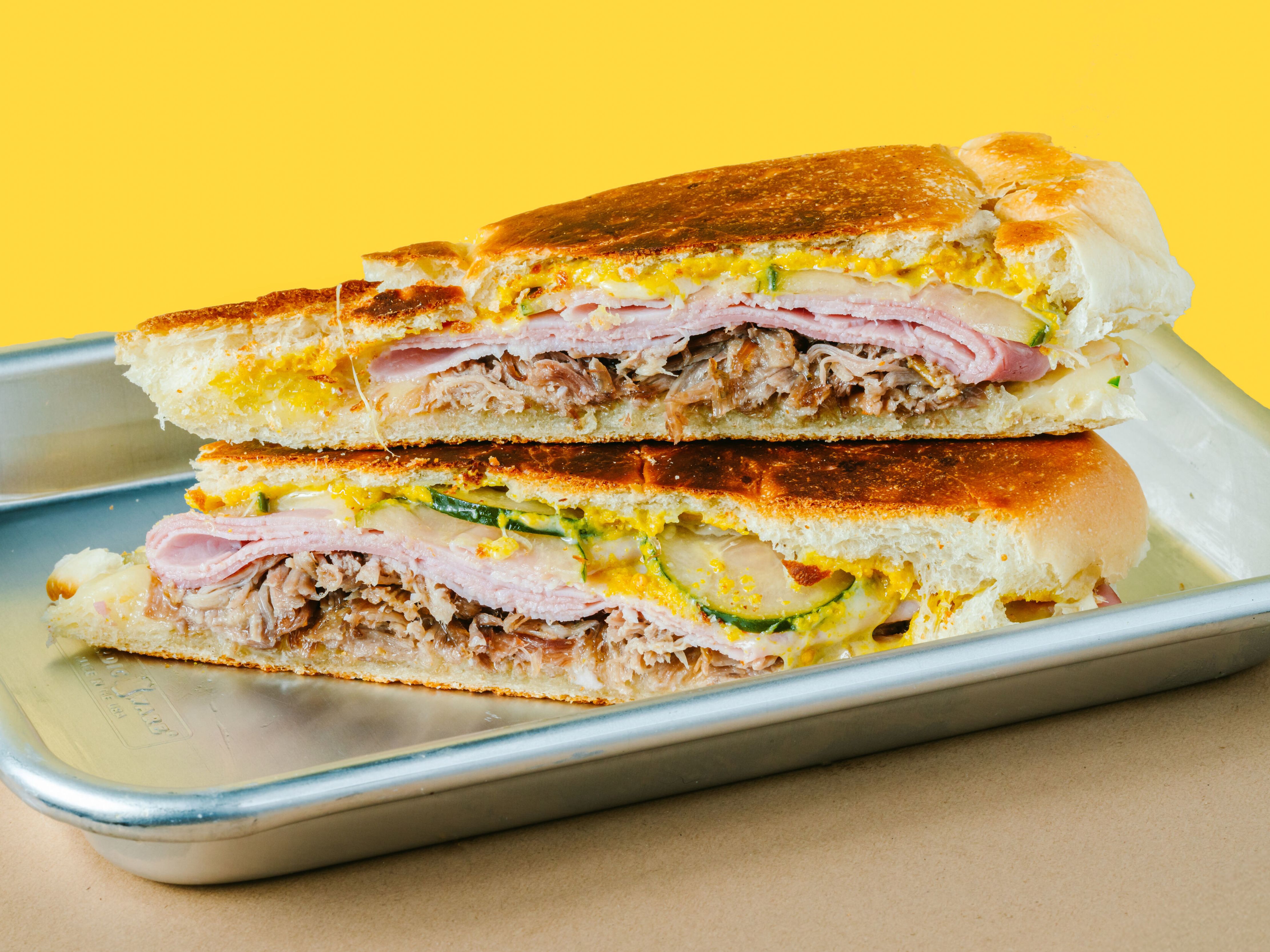

Tex-Mex Forever
The 10 Best Tex-Mex Restaurants in Houston


The 2026 Hit List
The Best New Houston Restaurants That Opened in 2026 (So Far)


On The Town
Houston Summer Arts Guide

Hou Should Hear This
Houston Folk Singer Sarah Golden Is Not Getting Any Quieter

Artifacts & Ethics
Houston Museums Are Reckoning with Who Really Owns the Past

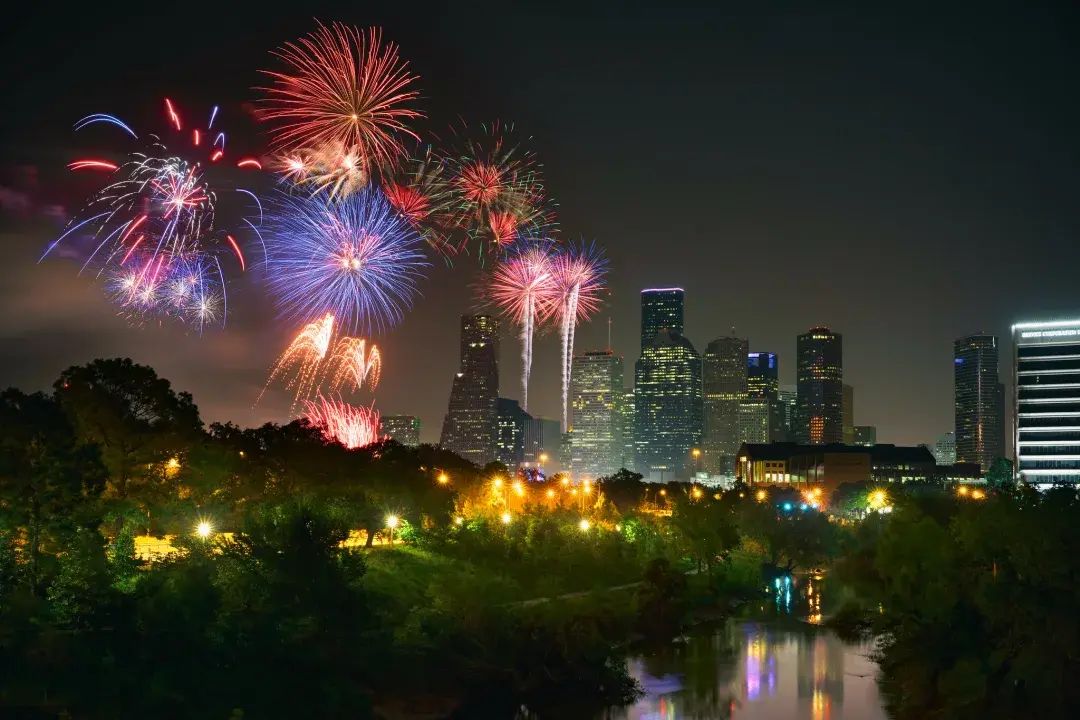
Red, White, and Boom
How to Celebrate the 4th of July in Houston


Red, White, and Boom
How to Celebrate the 4th of July in Houston


Only in Houston
The Weirdest News in Houston This June


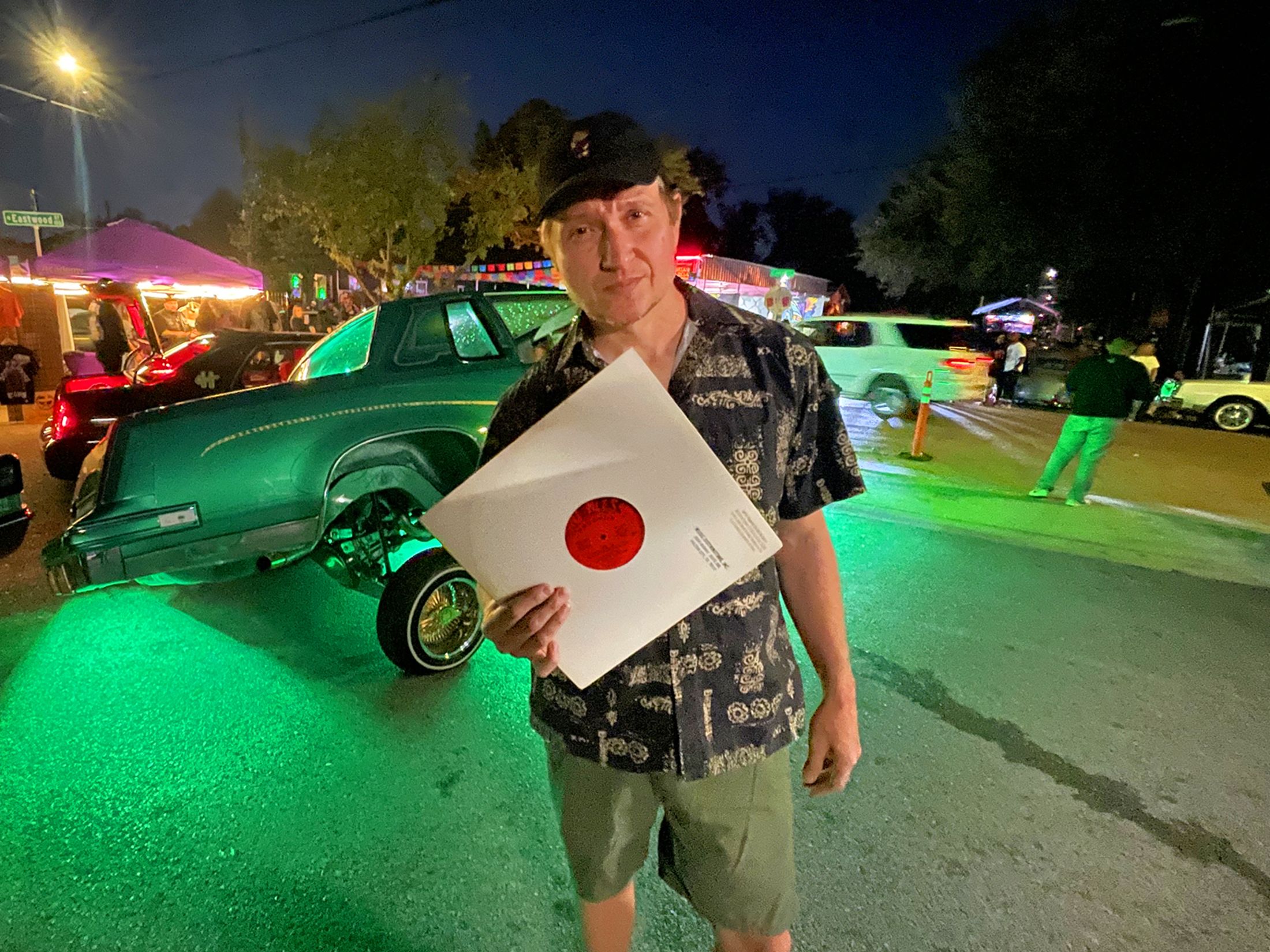
Vinyl Destination
Houston’s DJs Are Turning Their Record Collections Into a Vinyl Revival

Reality Reckoning
What America’s Next Top Model Taught Me—After I Made It Onto the Show

Cowboy Couture
Inside Houston’s Rodeo-Fueled Cowboy Boot Boom


Season’s Readings
Houston Bookstores’ Best Holiday Book Recommendations

Vinyl Destination
Houston’s DJs Are Turning Their Record Collections Into a Vinyl Revival
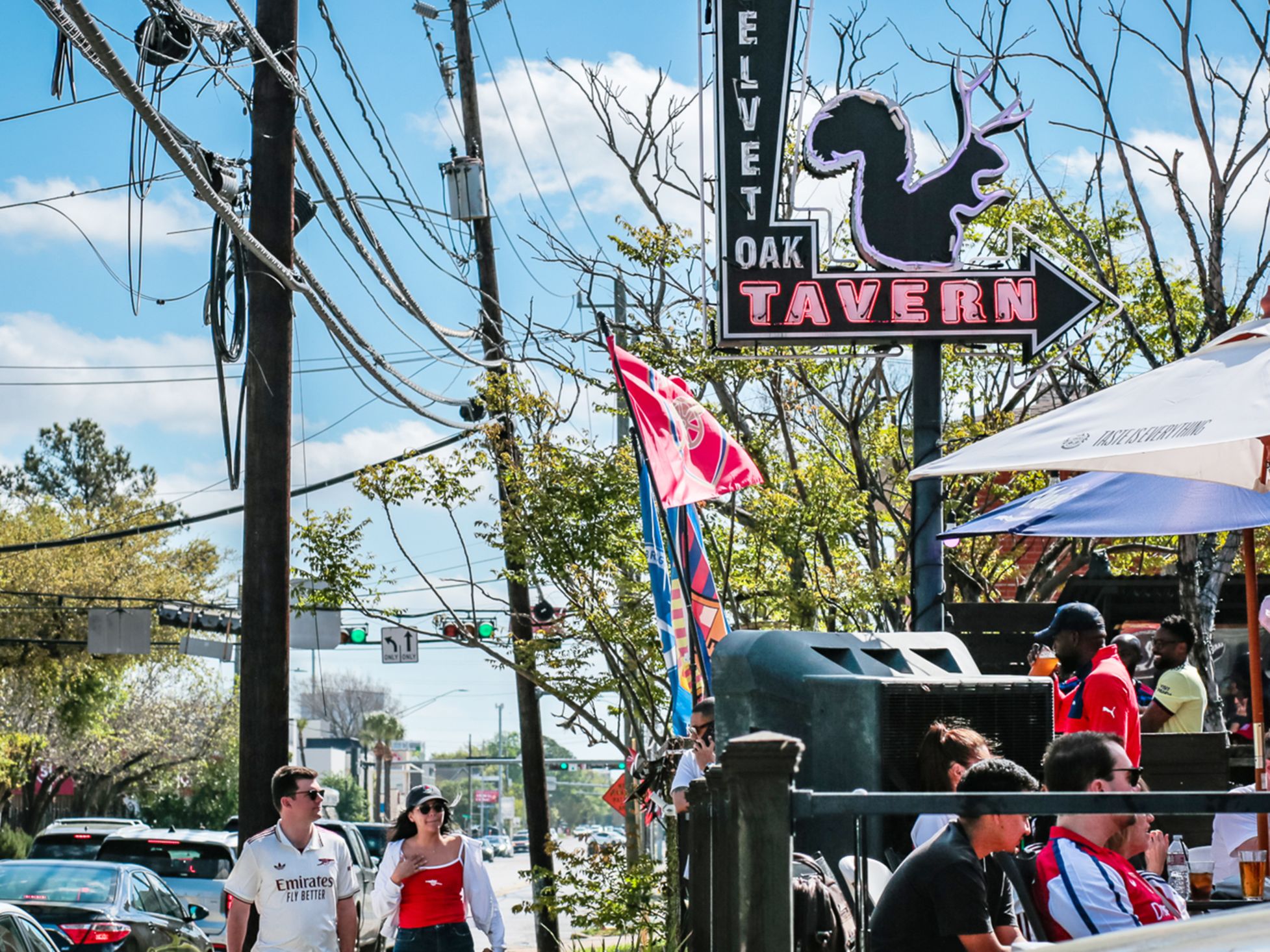
World Cup Fever
Where to Watch World Cup Matches in Houston


On the Dance Floor
Where to Get Your Step On: Houston’s Best Dance Halls and Honky Tonks


Twinkle, twinkle
The Best Stargazing Spots Within Driving Distance of Houston
Red, White, and Boom
How to Celebrate the 4th of July in Houston

Peak Refreshment
The Lesser-Known Colorado Town Worth the Sip
Green Spaces
The Women Behind Houston’s Most Beloved Parks


Science vs. Social Media
Should Houstonians Worry About Hantavirus and Ebola? Science Says No.

Somewhere That’s Green
How a Houston Gardener Became One of the Internet’s Most Calming Voices

Oral History
The Houston School That Built Texas Dentistry
Best of the City
Houston’s Top Dentists 2026


Somewhere That’s Green


